Blog
What is a hot wallet and how does it work in cryptocurrency?
Getting started with cryptocurrency begins with choosing a storage location. If you value immediate access and the ability to manage your assets at any time, consider a hot wallet. In this article, we'll discuss why a hot wallet is convenient for everyday transactions, how to maintain control over your funds, and when it makes sense to switch to a cold storage format.
19.03.2026
18.03.2026
What is a seed phrase and why does a cryptocurrency owner need one?
Digital asset security doesn't start with a complex password, but with a few English words. Understanding how a seed phrase works is important for anyone who wants to protect their savings. Let's explore how this mechanism works and why you shouldn't store your seed phrase on your phone.

What is a non-custodial wallet and how does it work?
In the world of cryptocurrency, the phrase "not your keys, not your coins" has become a golden rule. If you keep your assets on an exchange, you don't actually own them. True financial freedom comes from self-custody. In this article, we'll explore why a non-custodial wallet is the only way to control your digital savings. You'll learn how these storage options work and the security rules that will help you maintain access to your funds.
18.03.2026

What are cryptocurrency nodes and how do they work?
Imagine the internet as we know it suddenly disappearing. Websites, instant messaging apps, online banking—everything has stopped working, and central servers are offline. Blockchain is designed differently: it has no central authority. Its operation is supported by thousands of independent participants. Each of them is a node. Nodes are the rank-and-file "soldiers" of the digital armies of Bitcoin, Ethereum, and other coins. Without them, cryptocurrencies would simply cease to exist as a decentralized system. In this article, we'll explore what a node is, the different types of nodes that exist, and how you can make money from them.
18.03.2026
Bitcoin Halving: What It Is and How It Affects the Market
Events in the cryptocurrency world often resemble a roller coaster, but there's something unshakable about the industry. Halvings are a process that gets investors' hearts racing every four years. In this article, we'll explore why Bitcoin's halving remains a key driver for the world's leading cryptocurrency ecosystem.
18.03.2026

Cold Wallet: What Is It, How It Works, and Why You Need It
Owning cryptocurrency means financial independence. But the flip side of freedom is full personal responsibility. While exchanges remain a target for hackers and scammers get more sophisticated in phishing, true security can only be guaranteed by one method - autonomous storage. In this article, we will explain in detail what a cold crypto wallet is and why it has long become the standard of reliability.
10.03.2026

10.03.2026
Cryptocurrency Arbitrage: A Complete Guide for Beginners and Pros
In 2026, the price difference between Bitcoin exchanges could reach 3-5% within minutes. Cryptocurrency arbitrage is built on this market inefficiency, offering the opportunity to profit without having to predict price movements. However, this apparent simplicity conceals pitfalls: fees, withdrawal delays, and volatility. In this article, we'll examine real-world cases relevant to the market and show how to turn price differences into a stable income – even with a small capital investment
PPLNS vs. SOLO: Which to Choose for Mining? A Detailed Comparison of Methods
Choosing between working collaboratively in a pool or going it alone is an eternal debate about stability and risk. In the world of cryptocurrency mining, the payout algorithm determines whether you'll get a modest share today or hit the jackpot in a month. PPLNS and SOLO methods represent two different philosophies of reward distribution. Let's explore which approach is more effective in today's environment.
09.03.2026

The Best Binance Alternatives: Which Crypto Exchanges to Choose in 2026
In 2026, Binance's dominance ceased to be absolute. Increased regulatory pressure and mandatory verification forced traders to seek safer platforms. We analyzed the current market and selected the best Binance alternatives that offer high liquidity and a friendly user experience. This article examines platforms that can become your primary trading hub.
09.03.2026

Spot and futures trading in crypto – what are they and what's the difference?
Are you just starting out in crypto trading and confused by the terminology? The words "spot" and "futures" appear on every exchange, but it's not always clear which is best. Essentially, these are two ways of interacting with the market, each with its own logic, risks, and opportunities. In this article, we'll explore how spot and futures trading work and help you decide which approach is best for you.
09.03.2026
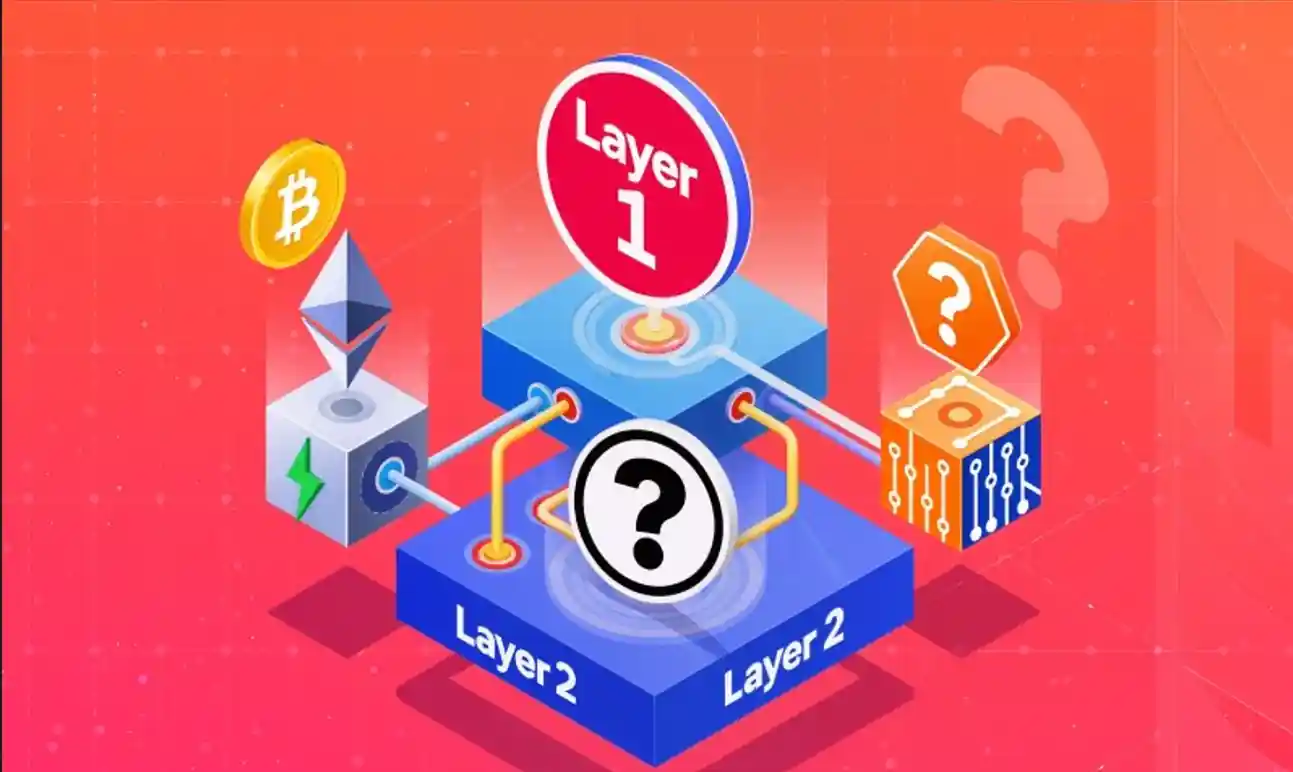
Layer 1 and Layer 2: What's the Difference Between Blockchain Layers?
Imagine a traffic jam on a major highway. The base blockchain (layer 1) is the road itself: reliable but congested. Layer 2, on top of it, is the overpasses and tunnels that relieve traffic without rebuilding the foundation. This is how the crypto industry solves the problem of speed and fees. In this article, we'll explore the essence of Layer 1 and Layer 2, their key differences, and how their combination is changing the world of DeFi
09.03.2026
09.03.2026
USDT vs. USDC: What's the Difference and Which Stablecoin Should You Choose?
Stablecoins are no longer just a tool for crypto traders. Today, they're used for international transfers, online payments, and as an alternative to bank accounts. But not all "dollar" tokens are created equal—their similar exchange rate stability masks fundamental differences in transparency, regulation, and risks. In this article, we'll explore why choosing between USDT and USDC can impact the security of your funds
Page 3 of 7
Next