Blog

Comparing Exchange Fees: How to Choose the Best Swap Route
Comparing crypto exchange fees is the first step to stopping losing money on unobvious expenses and finding truly profitable options. In 2026, the number of exchange services and available blockchains has grown so much that without a systematic approach, it's easy to get confused and overpay. In this guide, we'll explore how algorithms work and what to look for to ensure the most profitable exchange.
23.03.2026

Best practices for exchanging crypto for fiat to avoid bank fees
Exchanging crypto for fiat involves costs that are easy to overlook: exchanger spreads, network fees, and bank conversions. This guide covers proven ways to withdraw cryptocurrency to your card in 2026 with minimal losses. We'll explore P2P platforms, crypto cards, exchange rate aggregators, and choosing a blockchain—so every step is clear and the final amount on your card is pleasing.
23.03.2026
Stablecoin regulation in 2026: impact on exchange transactions
Stablecoin regulation enters a crucial phase in 2026: MiCA regulations and DAC8 requirements came into full effect on January 1st, fundamentally changing the rules of the game for all market participants. This article offers a comprehensive guide explaining how the new European laws affect the storage and exchange of USDT, USDC, and other stablecoins, and how ordinary users can safely conduct transactions while avoiding blocking and tax risks.
23.03.2026

23.03.2026
Flash Loans in DeFi: Mechanisms and Use Cases for Arbitrage
A flash loan is an unsecured loan in DeFi, issued and repaid in a single blockchain transaction. No verification, no collateral—just code and math. We'll explore how this mechanism works, where the liquidity comes from, and who profits from it. This article provides the full picture: from the basic principle to specific use cases and the real risks typically covered in the fine print.
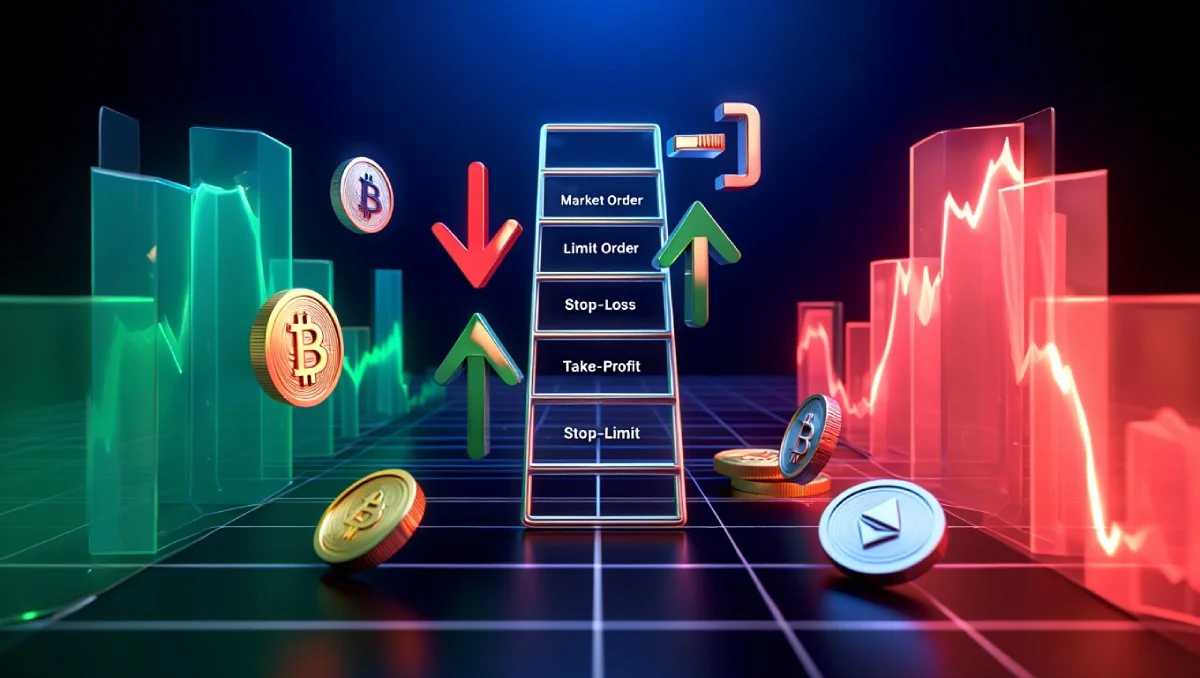
Cryptocurrency Exchange Orders: A Complete Guide to Types, Strategies, and Mistakes
Every trade on the cryptocurrency market begins with an exchange order. Experienced traders use orders on crypto exchanges not just for buying and selling, but as a risk management tool and strategy automation. The difference between a market order and a limit order affects not only speed but also the final price of the asset in your portfolio. Let's explore the mechanics of orders, their types, and the reasons why a trade might fail.
23.03.2026

Why the exchange rate changed during the exchange – and how to protect yourself
You did everything right: checked the rate, clicked "Exchange," and received less than you expected. Sound familiar? This isn't a system error or a scam. This phenomenon has a name—slippage—and it occurs on virtually every crypto exchange and exchange service. Let's figure out why the rate fluctuates during an exchange and what slippage is in crypto.
20.03.2026

Altcoin Volatility: How to Trade for Stablecoins to Minimize Losses
Altcoin volatility is the main reason experienced investors lose profits: a coin that has risen 200% in a month can fall 70% in a week. Exchanging altcoins for stablecoins in a timely manner is one of the most reliable ways to lock in your gains. In this article, we'll explore how to convert crypto to stablecoins, the risks of altcoin trading in 2026, and why stablecoins have become a standard tool for storing profits.
20.03.2026

Cross-chain exchanges: the benefits and risks of using multi-chain aggregators
The world of cryptocurrency has long ceased to be a monolithic one: today, assets are scattered across dozens of networks, from Ethereum to Solana. Cross-chain crypto exchanges allow you to move coins between these worlds without the need for centralized platforms. This guide will help you understand how multi-chain aggregators work, the risks they pose, and how to conduct exchanges to avoid losing money on fees and exchange rate fluctuations.
20.03.2026

20.03.2026
Liquidity in DeFi: Strategies for Optimizing Exchange Pools
When you exchange cryptocurrency through an aggregator, the final price depends not only on the exchange rate but also on the depth of the market within the DeFi liquidity pools. The more coins locked in the pool, the more profitable the exchange. But liquidity is also a revenue-generating tool for those willing to rent out their assets. Let's explore how pools work and how to use them to their maximum advantage.

Cryptocurrency Bridge Protocols: A Guide to Safely Transferring Assets Between Blockchains
Bridge protocols in cryptocurrency are tools for transferring tokens between different blockchains without the need for an exchange. In this guide, we'll explore how they work, the differences between them, and how to transfer assets safely—without unnecessary losses or technical surprises.
20.03.2026

What are public and private keys in cryptocurrency?
Imagine an invisible safe containing cash. The safe has a transparent window for storing coins. But the safe can only be opened and the coins retrieved using a secret code. In the world of cryptocurrency, this function is performed by two keys: public and private. Without understanding the system, it's easy to lose your money. Let's break it down in simple terms.
19.03.2026

What is a validator in cryptocurrency and how does it work?
When you send cryptocurrency, someone needs to verify that you actually have the coins. In the real world, this is the responsibility of banks. In cryptocurrency, it's validators. These are network participants who maintain order and confirm every transfer. Without them, the system would descend into chaos. Let's explore who these validators are and how they work.
19.03.2026
Page 2 of 7
Next